From Exchange Student to Commercial Director: Christian Kutschke’s International Career in Tampere
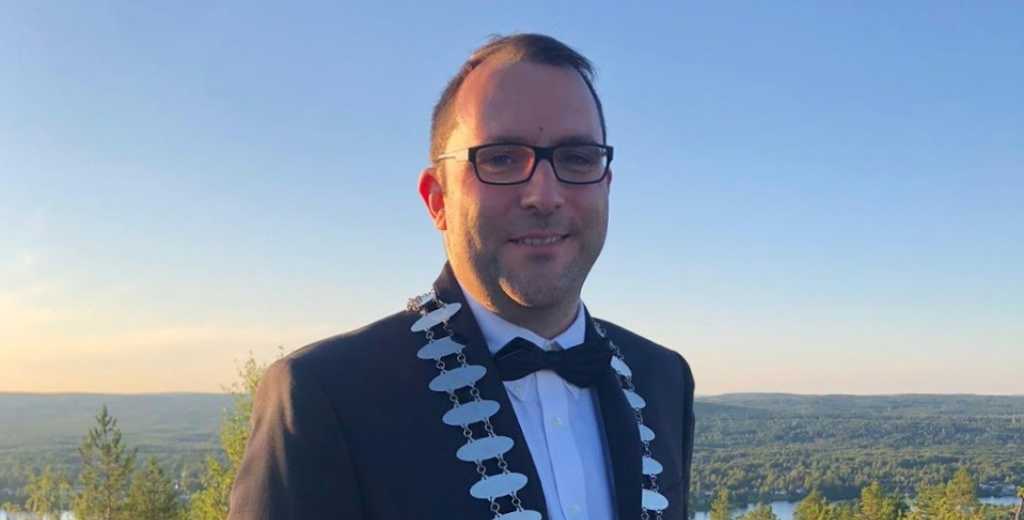
What makes an international professional stay, succeed, and build a long-term career in Finland?
Christian Kutschke’s journey from exchange student to Commercial Director offers practical insights into language, networks, and leadership. His story reflects many of the themes highlighted in Tampere’s roadmap for attracting and retaining international talent: integration, opportunity, and persistence.
Finding a path that stayed
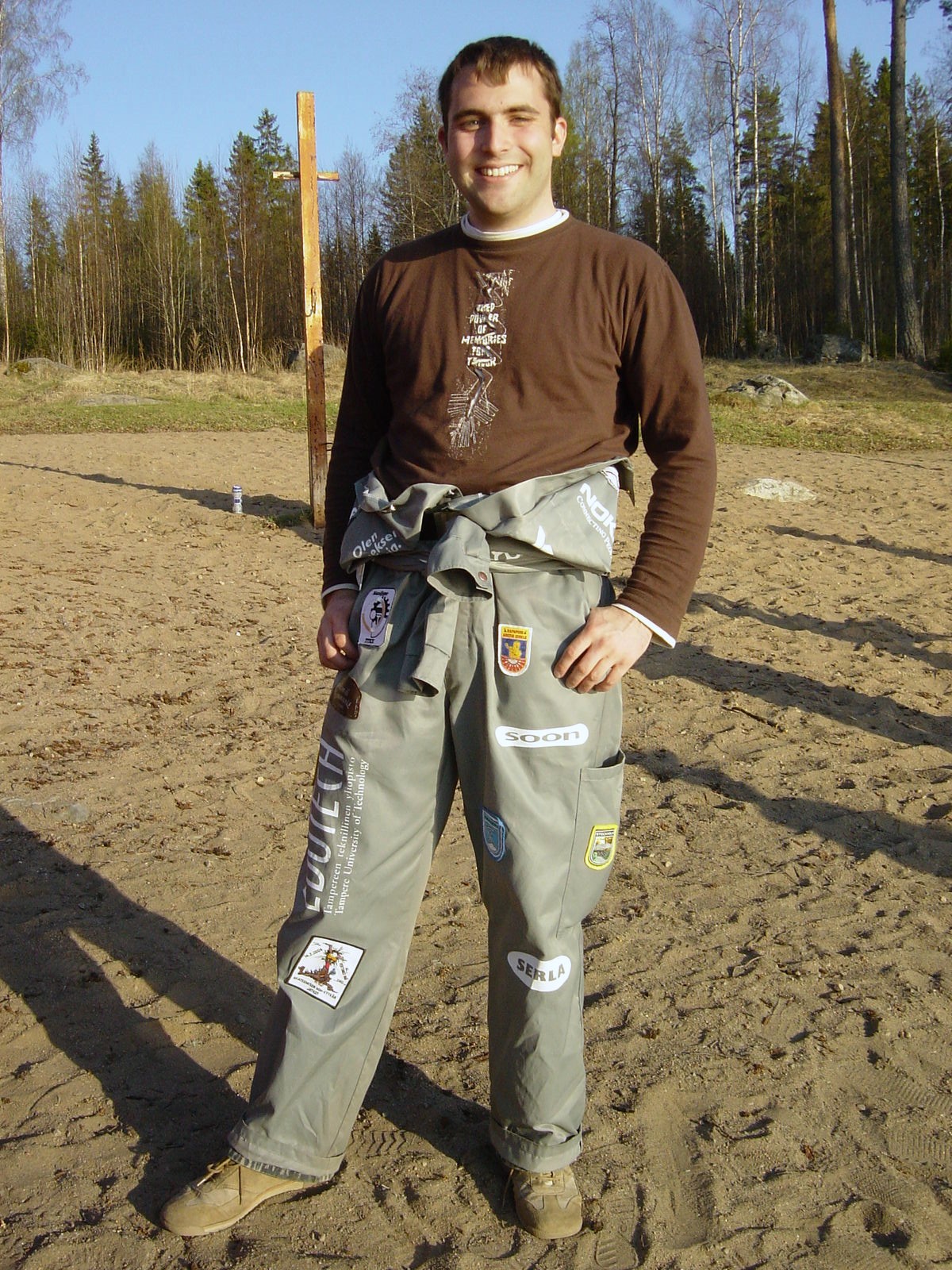
Christian Kutschke did not initially plan to build his life in Finland. He arrived in Tampere in 2003 as an exchange student from Leipzig, Germany, intending to stay for six months. “The atmosphere and the courses during my exchange were so great that I decided to continue my Master,” he says.
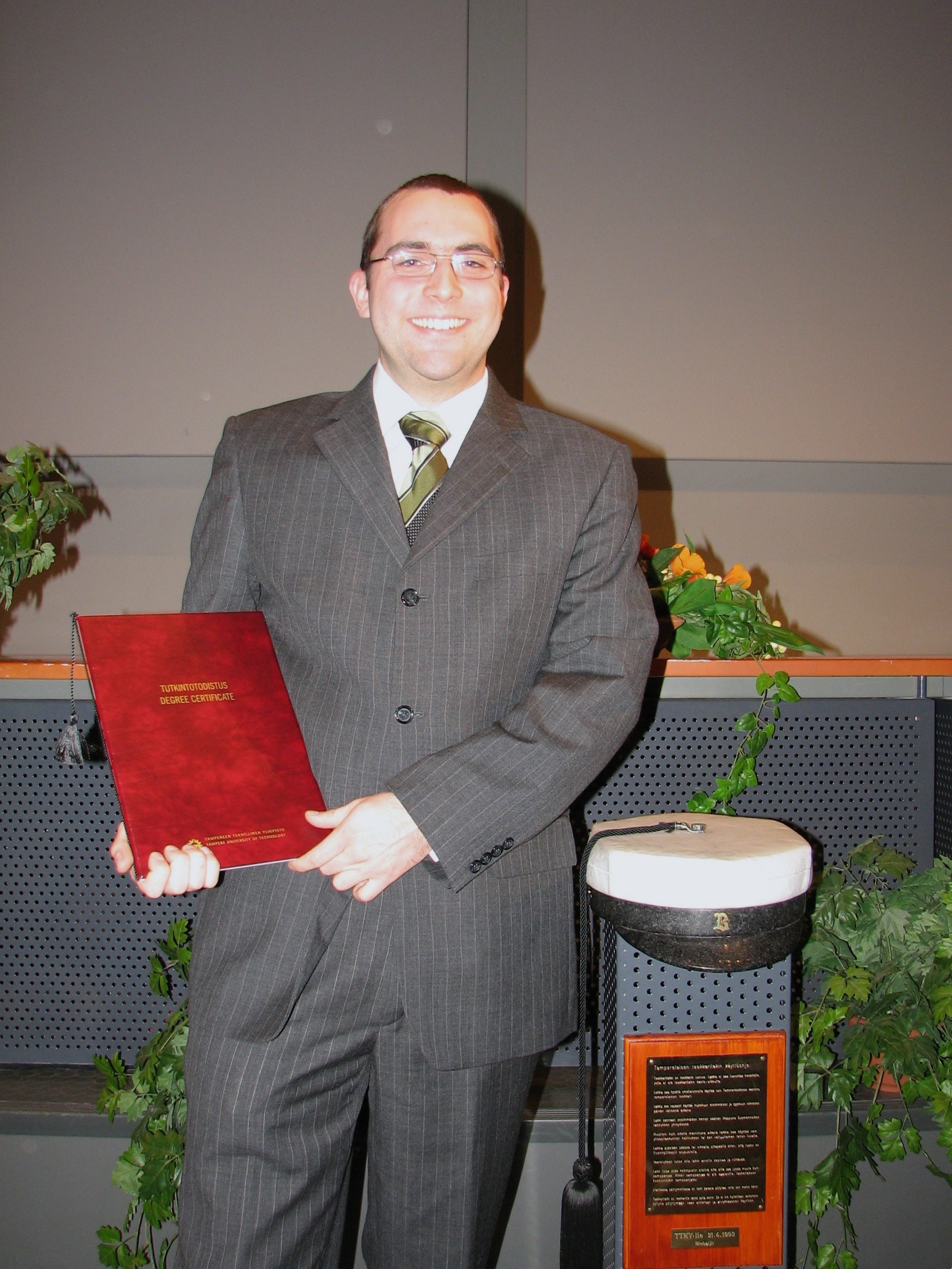
The decision shaped his future. After graduating in Industrial Management at Tampere University of Technology, he found a job in Tampere within two months. “I gave myself six months to find a job in Finland. I felt lucky that I found a professional role so quickly.”
Today, Kutschke works as Commercial Director at Gofore, focusing on growing the company’s simulator business in the German-speaking market.
Building a career through opportunities
Kutschke’s international journey began during his studies in Germany, where he was involved in AIESEC, an international student organisation focused on leadership and exchange opportunities. His interest in internationalisation led him to the Nordics. “I was curious about Finland. At that time, I mostly knew Nokia, Mika Häkkinen, and that there are a lot of forests and lakes.”
After graduation, he joined Cavitar, a young technology company in the field of laser-based industrial imaging. Over 15 years, he moved into leadership roles, led sales and marketing, developed the company’s brand, and built a distributor network.
“At some point I realised it was my task to create a vision. There was no one telling me where to go. I grew into the role and learned a lot during that time and achieved many good things there with the team.”
He later joined Valmet as Business Manager and gained experience in a large matrix organisation. Since 2026, he has been responsible for growing Gofore’s simulator business in the DACH region, covering Germany, Austria and Switzerland.
Language as a long-term investment
Language has been one of the most defining elements of Kutschke’s journey. “Learning the language has been a marathon, not a sprint.”
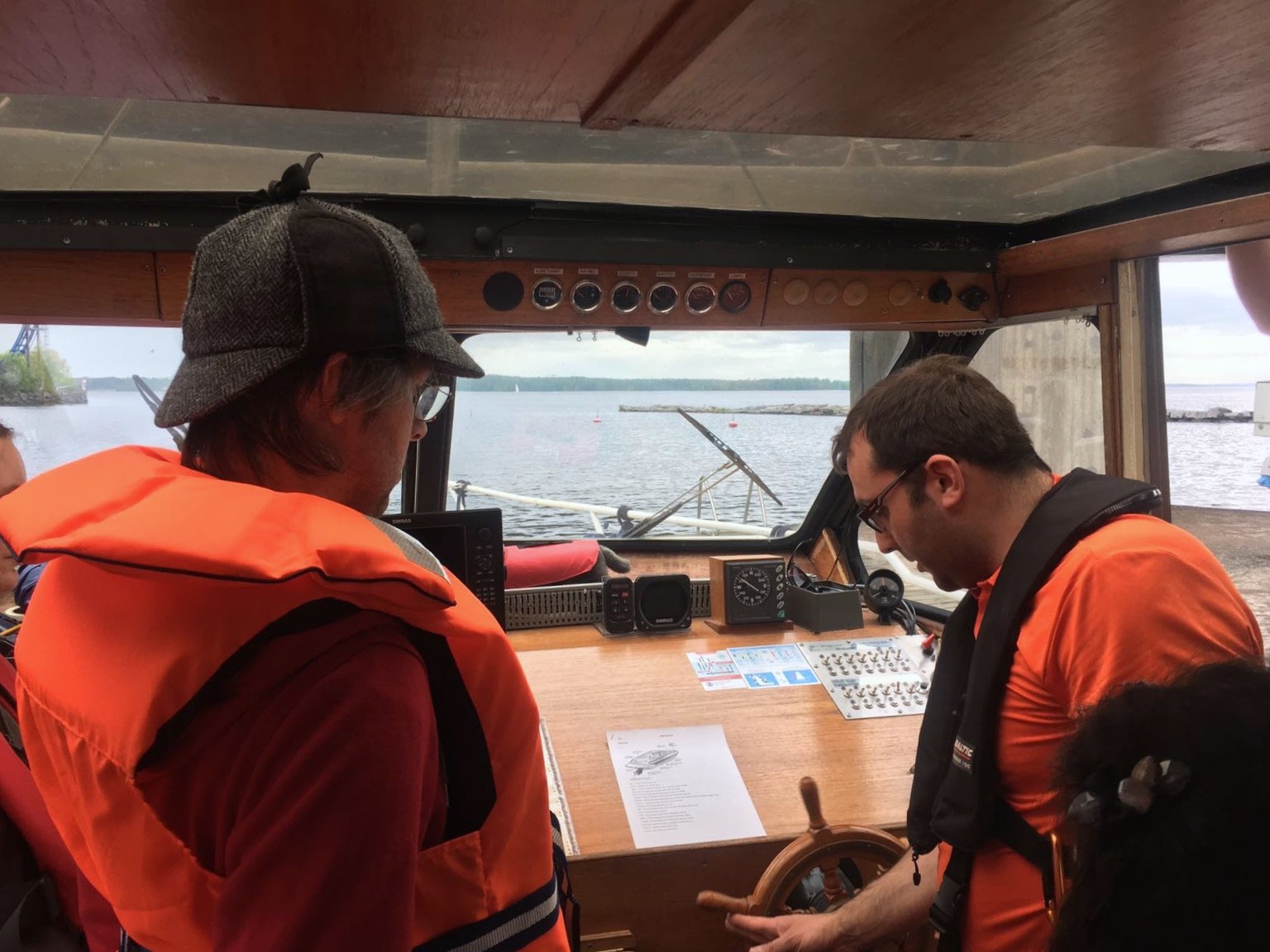
University courses provided only a starting point. After graduation, he no longer had access to free language training and had to find his own ways to learn. He became active in local communities, including Tampere Navigaatioseura, where he later worked as an instructor and helped develop a quality system. He also joined JCI United.
A key shift came when he decided to prioritise Finnish in everyday situations. “I noticed that English was not always comfortable for everyone, so I decided to focus on communicating in Finnish. That helped me dramatically improve.”
Today, Finnish is his daily working language. Language learning has also brought lighter moments. “The more I learned Finnish, the more I started to understand idioms,” he says. “For example, with my colleagues we once wondered who was the first person to hide a fox tail under their arm,” he adds, referring to the Finnish expression ketunhäntä kainalossa.
Networks open doors and create belonging
Building networks was equally important.“I mainly had professional networks abroad, so I joined JCI to grow my Finnish network.”
Through organisations, mentoring programmes, and associations, Kutschke gradually built strong local connections. He highlights that integration takes time, especially after graduation. “Many of the university communities disappeared, and I had to start again.”
Even small moments matter. Informal discussions at work can influence one’s sense of belonging. “When I did not understand coffee table discussions, I felt I could not contribute much. It takes time to get into those groups.”
Working culture: clarity and independence
Kutschke values the low hierarchy in Finnish working life. “It was a positive experience to see how flat organisations are.”
He also notes differences in how decisions are made. “In Finland, decision-making can take longer because people look for common ground. In Germany, planning and backup plans play a bigger role.”
At the same time, both cultures share a preference for clear communication.
Achievements across business and community
Kutschke is proud of his contribution to Cavitar’s growth and development. “I learned an entrepreneurial mindset: taking ownership without waiting for someone to hand tasks to me.”
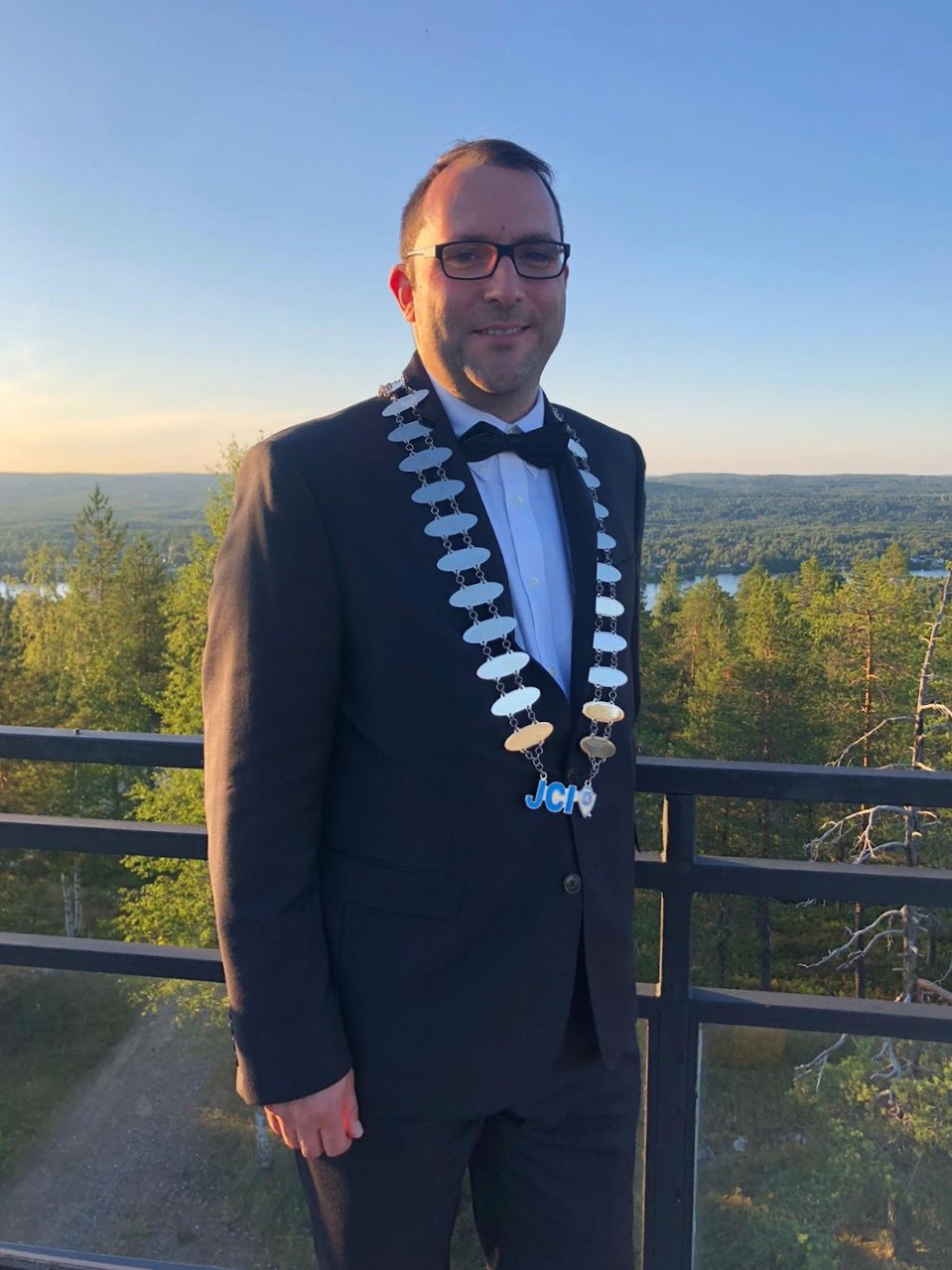
He also highlights achievements outside work. As President of JCI United, he led the chapter to win a regional award. In Tampere Navigaatioseura, he contributed to building an accredited quality system. “It was my first big project fully in Finnish. I learned a lot about working with authorities and associations.”
He now supports entrepreneurs as a mentor in the Yrityskummit network.
Tampere as a platform for international talent
Kutschke sees Tampere as a welcoming environment with strong support structures and highlights Finland’s strengths as a place to live. “Finland has a lot to offer in terms of nature and wellbeing, and it is a very pleasant place to live if one feels integrated,” he says. “Tampere has been very open, and it has been surprisingly easy to be active at the city level.”
He highlights initiatives such as International House Tampere, mentoring programmes, and professional networks. The city’s active startup scene also provides an important employment path for internationals.
At the same time, he recognises current challenges in the labour market. “The job market is tough at the moment, even for Finns.”
What employers can do better
Kutschke emphasises that retention requires concrete support. “For retaining talent, helping with language learning is key.”
He suggests offering paid courses and time for studying, as well as encouraging daily practice at work. Mentoring also plays an important role. “A good mentor can give a fast track to understanding the company culture and building networks.”
Support for spouses and families is another factor that organisations should consider.
Advice for internationals
Kutschke encourages internationals to take an active role in their own integration. “Invest in your expertise and learn something you are really interested in.”
He also stresses the importance of language and networks. “Learning the language and building networks helps the feeling of belonging.”
Flexibility is equally important. “Be ready to reinvent yourself. Many people need to take a different path before reaching their goals.”
Looking ahead to 2035
Kutschke believes international talent will remain essential for Finland’s growth. To succeed, attraction must be matched with retention, in line with Tampere’s roadmap for international talent (2026–2035).
He highlights several key factors: access to language learning, realistic career opportunities, and supportive integration policies.
He also hopes for stronger support for entrepreneurship. “For many foreigners, entrepreneurship is a valid way to build a career and contribute to society.”
For his own future, motivation comes from learning and growth. “I am excited to learn about a new industry and to promote Finnish expertise internationally.”